
Recruitment Process: Walk-On HR Consultancy Bangladesh
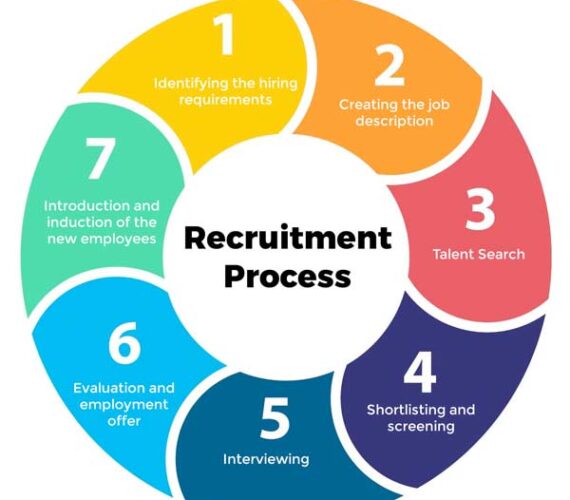
The recruitment process is a critical function of human resource management that ensures organizations attract, select, and retain the right talent. A well-structured recruitment process not only helps in identifying qualified candidates but also strengthens the company’s overall performance and culture. From identifying hiring needs to onboarding new employees, each stage plays a vital role in building an efficient workforce. This article outlines the key steps involved in the recruitment process, highlighting how organizations can streamline hiring while ensuring a positive candidate experience.
Job Posting and Sourcing:
-
- Identify the need for a new position.
- Create a detailed job description outlining responsibilities, qualifications, and other relevant details.
- Post the job on various platforms, including the company’s website, job boards, and social media.
Application Review:
-
- HR professionals or hiring managers review incoming resumes and applications.
- Shortlist candidates based on their qualifications and experience.
- Some companies use applicant tracking systems (ATS) to manage and filter applications.
Screening:
-
- Conduct initial screenings, often via phone or video calls, to assess the candidate’s communication skills, general fit, and interest in the position.
- Verify basic qualifications and ensure alignment with the company’s values.
Interviews:
-
- Schedule and conduct in-depth interviews with shortlisted candidates.
- Different interview rounds may assess technical skills, cultural fit, and behavioral competencies.
- Involve various stakeholders, such as team members and department heads, in the interview process.
Assessment and Testing:
-
- Some positions may require candidates to complete skills assessments, tests, or assignments to evaluate their abilities.
- Technical roles often include coding challenges or practical exercises.
Reference Checks:
-
- Contact the candidate’s previous employers or references to verify their work history, performance, and character.
Job Offer:
-
- Extend a formal job offer to the selected candidate.
- Negotiate terms such as salary, benefits, and start date.
Onboarding:
-
- Facilitate the new employee’s transition into the company.
- Provide orientation and necessary training.
- Introduce the new hire to their team and key stakeholders.
Probationary Period:
-
- Some companies have a probationary period during which the employee’s performance is closely monitored.
- Feedback sessions and performance reviews may occur during this time.
Integration and Feedback:
-
- Ensure the new employee integrates well into the team and company culture.
- Collect feedback from both the employee and the hiring team to improve the recruitment process.
Throughout the recruitment process, effective communication with candidates is crucial. Providing a positive candidate experience, regardless of the outcome, helps maintain the company’s reputation and attractiveness to potential future hires.
Conclusion
In conclusion, an effective recruitment process is essential for organizational success. By carefully managing each stage—from job posting and candidate screening to interviews, selection, and onboarding—companies can secure the best talent while maintaining professionalism and transparency. Continuous improvement through feedback and evaluation further enhances hiring outcomes. Ultimately, a structured and candidate-friendly recruitment process not only fills positions efficiently but also builds a strong employer brand for future growth.