
How to Hire Certified Technical Workers from Bangladesh: A Complete Employer Guide
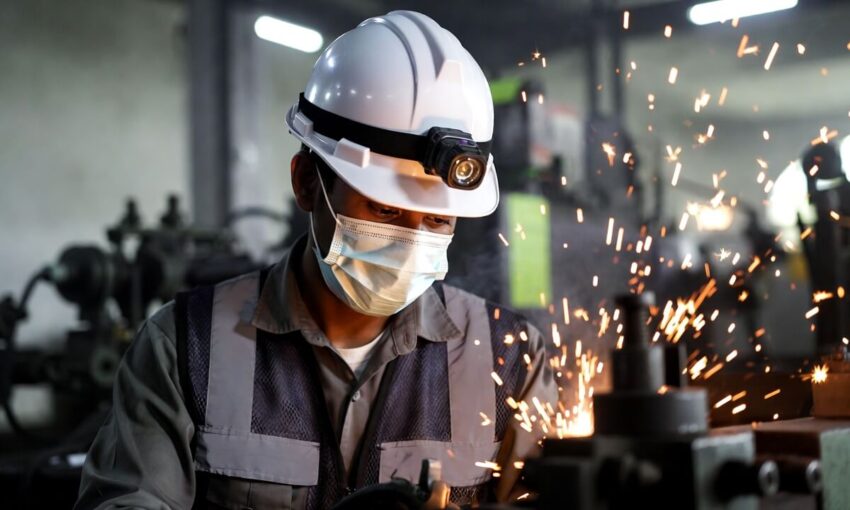
If you’ve ever tried to hire technical staff internationally, you already know the biggest fear: paying for flights, visas, and paperwork, only to find out the “certified welder” can’t actually weld to standard. This happens more often than employers like to admit, and it’s exactly why having a clear hiring process matters so much when you hire certified technical workers from Bangladesh.
The good news is that Bangladesh has a well-established system for training and certifying technical workers, and once you understand how it works, hiring becomes a lot less risky. This guide walks you through the whole process, step by step, from finding candidates to getting them cleared for departure.
Table of Contents
Why Bangladesh Has Become a Go-To Source for Technical Workers
Bangladesh trains a large number of technical workers every year through government and private technical institutes. These programs cover trades like welding, electrical work, hydraulics, machining, and industrial maintenance, with a strong focus on hands-on practice rather than just classroom theory.
For employers, this means candidates usually arrive already comfortable with real tools and real working conditions, not just exam papers. Combined with lower labor costs compared to many other sourcing countries, it’s easy to see why so many companies in the Middle East, Southeast Asia, and beyond keep coming back here.
Step 1: Define the Exact Skill and Certification You Need
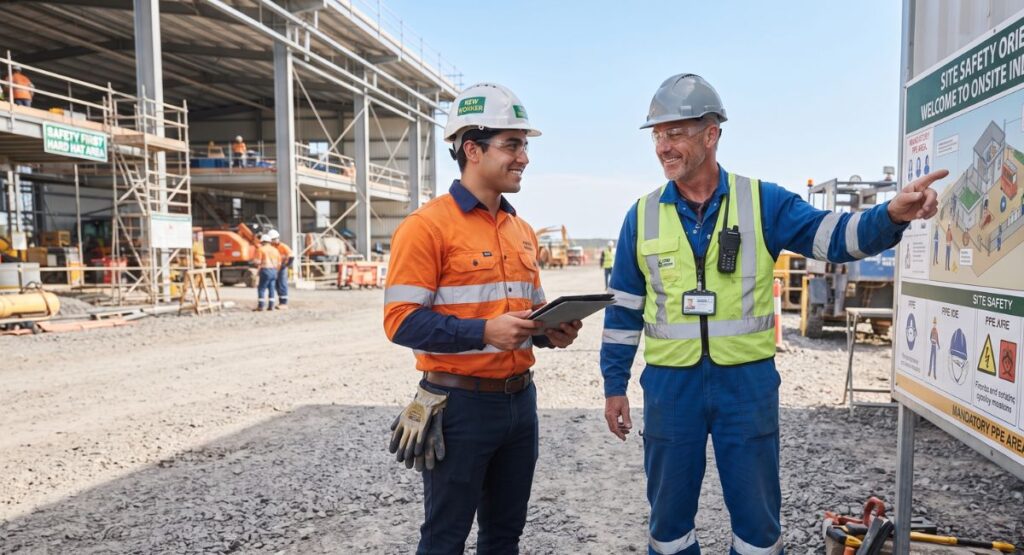
Before contacting any agency, get specific about what “certified” means for your job. A general “technician” job title isn’t enough. Are you hiring a hydraulic technician who can service heavy machinery, or an electrician rated for industrial panels?
Write down the exact certification standard you expect (for example, a specific welding certification level, or a recognized trade diploma), the years of experience required, and any physical requirements for the role. This single step prevents most hiring mismatches later on.
Step 2: Work with a Licensed Recruitment Agency
This is where most of the risk in overseas hiring either gets managed or ignored. A licensed agency, registered with Bangladesh’s Bureau of Manpower, Employment and Training (BMET), has access to verified candidate databases and knows how to check whether a certificate is genuine.
Agencies like Walk On HR Consultancy, working alongside Fahim Overseas Limited, handle this verification as a standard part of the process, not an extra service. Trying to hire independently without a licensed partner usually means doing all this checking yourself, which is time-consuming and easy to get wrong from a distance.
Step 3: Candidate Sourcing and Shortlisting
Once your requirements are clear, the agency searches its database and network for matching candidates. A good agency won’t just send you every resume that loosely fits — they’ll filter based on your exact certification and experience requirements first.
At this stage, ask for:
- Copies of certifications and training records
- Proof of previous work experience (reference letters, project photos, or employer contacts)
- A short technical assessment or trade test, if possible
Step 4: Verify Certifications Properly
This step gets skipped too often, and it’s usually where problems show up later. Certificates should be checked against the issuing institute, not just taken at face value. For internationally recognized trades (like certain welding standards), there are verification bodies you can check directly.
A reliable recruitment partner will already have relationships with technical institutes and can confirm a certificate’s authenticity faster than you could on your own from overseas.
Step 5: Conduct Interviews and Practical Tests
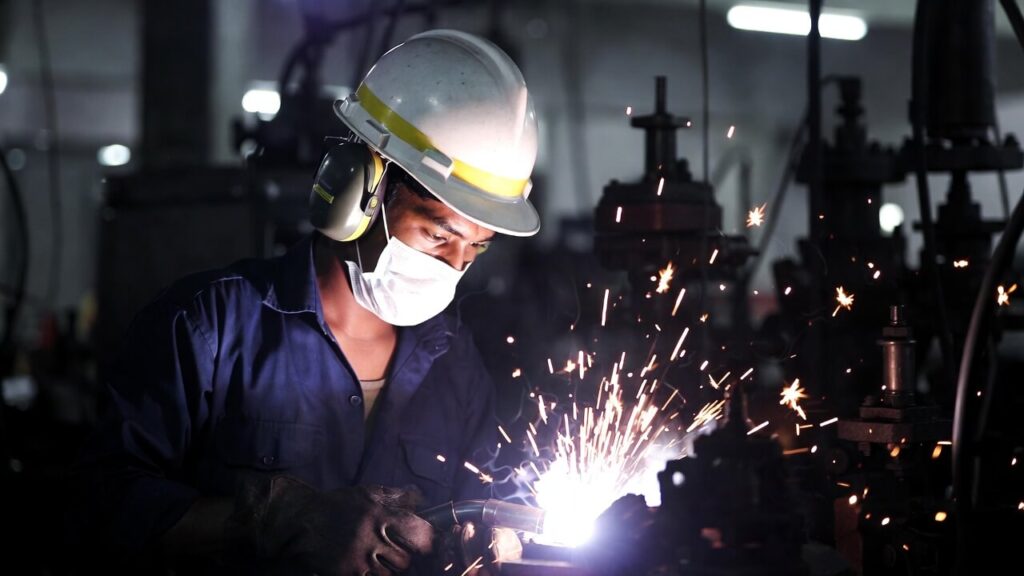
Video interviews are standard now, but for technical roles, try to go one step further with a practical skills test. This could be a live demonstration, a technical questionnaire, or reviewing video of the candidate performing the actual trade.
For larger hiring batches, some employers send a technical representative to Bangladesh to run in-person trade tests before final selection. It costs more upfront but saves a lot of trouble later.
Step 6: Handle Work Permits and Visa Processing
Once candidates are selected, the paperwork stage begins. This typically includes:
| Requirement | Who Handles It |
|---|---|
| Work permit application | Recruitment agency, with employer’s job offer letter |
| Medical fitness certificate | Worker, through an approved medical center |
| BMET clearance and registration | Recruitment agency |
| Visa stamping | Employer’s country embassy/consulate, coordinated by agency |
| Pre-departure orientation | Recruitment agency |
Trying to manage this without local support is where most delays happen. An experienced agency already knows the current documentation requirements for your specific destination country, which changes from time to time.
Step 7: Plan for Onboarding, Not Just Arrival
Getting the worker to your job site is not the finish line. Technical workers arriving from a different country benefit from a short orientation covering site safety rules, equipment specifics, and basic workplace expectations, even if they’re highly skilled.
Employers who skip this step often see a slower first few weeks of productivity, simply because the worker is adjusting to a new environment on top of a new job. A short structured onboarding period pays for itself quickly.
Common Mistakes Employers Should Avoid
A few mistakes come up again and again when companies hire certified technical workers from Bangladesh:
- Accepting certificates without verification
- Skipping practical trade tests to save time
- Working with unlicensed “agents” instead of registered agencies
- Not clarifying contract terms (salary, overtime, accommodation) in writing before departure
- Underestimating how long visa processing can take, especially during peak seasons
Avoiding these five mistakes alone solves the majority of problems employers run into.

What This Means for Your Hiring Plan
Hiring certified technical workers from Bangladesh isn’t complicated once you have the right process and the right partner. The core of it comes down to being specific about what you need, verifying everything instead of trusting paperwork blindly, and working with a licensed agency that already knows the system.
If you’re planning to hire technical staff and want the verification and paperwork handled properly from the start, Walk On HR Consultancy works with Fahim Overseas Limited to source, verify, and place certified technical workers for employers across the Middle East, Asia, and beyond. Getting the process right the first time saves you money, time, and a lot of unnecessary stress.
FAQs
Q1: How can I verify if a technical worker’s certification from Bangladesh is genuine?
The best way is to work with a licensed recruitment agency that already has relationships with technical institutes and can confirm certificates directly with the issuing body. Trying to verify documents on your own from overseas is possible but much slower and easier to get wrong.
Q2: How long does it take to hire certified technical workers from Bangladesh?
It usually takes a few weeks to a couple of months, depending on how quickly candidates are shortlisted, how fast work permits and visas are processed, and the destination country’s specific requirements. Peak seasons can add extra delays, so it’s best to start the process early.
Q3: Do I need to work with a recruitment agency, or can I hire directly?
You can technically hire directly, but working with a licensed agency saves significant time and reduces risk. Agencies handle candidate verification, documentation, and compliance with Bangladesh’s BMET regulations, which is difficult to manage properly on your own from another country.
Q4: What certifications should I look for when hiring technical workers from Bangladesh?
This depends on the trade. For welders, look for recognized welding certification levels matching your project’s standards. For electricians and hydraulic technicians, look for diplomas from accredited technical institutes plus verifiable work experience in similar roles.
Q5: What’s the biggest mistake employers make when hiring technical workers from Bangladesh?
Skipping proper certificate verification and practical skill testing is the most common and costly mistake. It’s tempting to save time by trusting paperwork alone, but a short practical test or verified reference check upfront prevents much bigger problems after the worker arrives on site.


