
Why Overseas Employers Prefer Hiring Skilled Manpower from Bangladesh
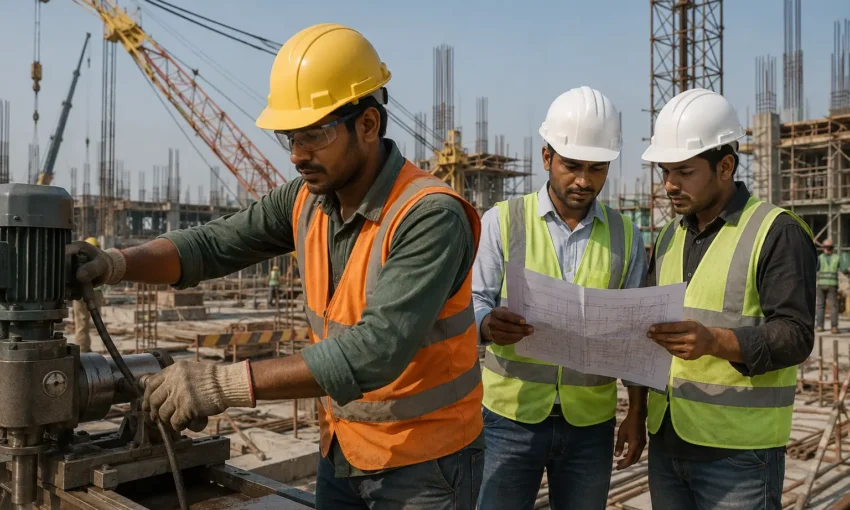
Walk into any large construction site in Dubai, a hospital in Saudi Arabia, or a factory floor in Malaysia, and there’s a good chance you’ll find Bangladeshi workers doing some of the most important jobs there. This isn’t by accident. Over the past two decades, overseas employers have quietly built a strong preference for skilled manpower from Bangladesh, and the reasons go far beyond just low cost.
If you’re an employer trying to figure out where to source reliable workers, or a recruitment partner trying to understand why Bangladesh keeps coming up in these conversations, this article breaks down exactly what’s driving the demand.
Table of Contents
A Workforce That Actually Wants to Work
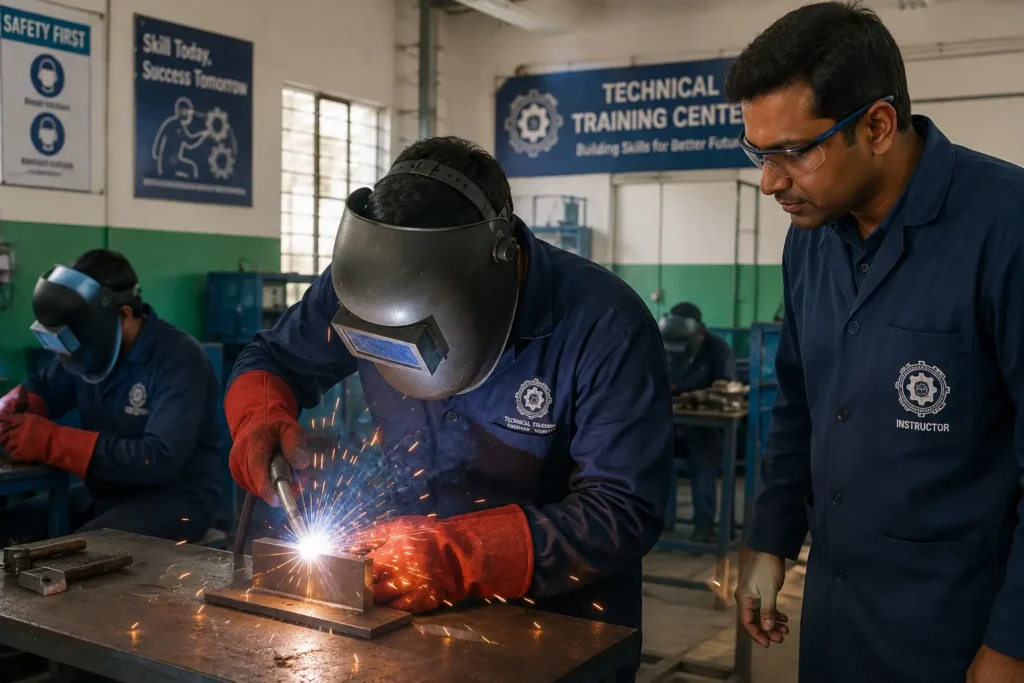
Bangladesh has one of the youngest populations in Asia, with millions of people entering the job market every year. Many of them come from technical institutes, vocational training centers, and polytechnic colleges that focus heavily on practical, hands-on skills rather than just theory.
This matters more than it sounds. Employers hiring skilled manpower from Bangladesh often mention the same thing: workers here don’t just have certificates, they know how to actually do the job on day one. A welder trained in Bangladesh has usually welded real pipes and real steel structures, not just passed a written test.
Strong Track Record in Physically Demanding Industries
Bangladeshi workers have built a solid reputation in industries that require both skill and stamina — construction, shipbuilding, manufacturing, and heavy machinery operation. Countries like Saudi Arabia, the UAE, Qatar, and Malaysia have relied on this workforce for major infrastructure projects for years.
What employers notice is consistency. A machinist or hydraulic technician from Bangladesh tends to show up, do the work carefully, and stay for the full contract period rather than leaving halfway through. In an industry where project delays cost real money, this kind of reliability is worth a lot.
Lower Cost Without Cutting Corners on Skill
Let’s be honest — cost is always part of the conversation. Skilled manpower from Bangladesh is generally more affordable than hiring from many other countries, and this gives employers room to manage their labor budgets without sacrificing quality.
But this isn’t about paying less for less. Many Bangladeshi technicians, machinists, and engineers hold internationally recognized certifications. The lower cost mainly comes from a lower cost of living back home, not from cutting corners on training or experience.
English Communication Skills Keep Improving
A common worry employers used to have was communication. That gap has narrowed significantly. Technical and vocational training centers across Bangladesh now include English language modules, and many workers — especially in IT, healthcare, and supervisory roles — communicate confidently on the job.
For roles like nursing, hospitality, and customer-facing supervisory positions, this improvement in English proficiency has made Bangladeshi candidates far more competitive than they were even ten years ago.
A Government System Built Around Overseas Employment
Bangladesh has spent years building infrastructure specifically to support overseas recruitment. The Bureau of Manpower, Employment and Training (BMET) regulates and monitors the process, which means there’s an official system in place to verify documents, register workers, and reduce the risk of fraud.
This matters for employers too. Working through licensed recruitment agencies, like Walk On HR Consultancy, means the hiring process follows proper channels — background checks, document verification, medical clearance, and pre-departure orientation are all part of the process, not an afterthought.
Wide Range of Skills, Not Just Labor
There’s a common misconception that “manpower from Bangladesh” only means unskilled labor. That’s outdated. Today, the talent pool covers a much wider range:
- Machinists, welders, and hydraulic technicians
- Electricians and industrial maintenance staff
- Nurses and healthcare support workers
- IT professionals and software developers
- Hospitality and hotel management staff
- Supervisors and mid-level managers with overseas project experience
This diversity means employers aren’t limited to filling entry-level positions. Many companies now hire Bangladeshi professionals for supervisory and technical leadership roles as well.
Loyalty and Long-Term Commitment
Employers who have worked with Bangladeshi workers over multiple contract cycles often mention loyalty as a big factor. Many workers see an overseas job as a long-term opportunity to support their family back home, and this creates real motivation to perform well and stay with the same employer.
This isn’t true for every worker, of course, but the pattern shows up often enough that it’s become part of why companies keep coming back to Bangladesh when they need to hire again.
Established Recruitment Networks Make Hiring Easier
One thing that makes hiring from Bangladesh less risky is the maturity of the recruitment industry itself. Agencies like Walk On HR Consultancy, working alongside Fahim Overseas Limited, have built networks across the Philippines, Hong Kong, Macau, the Middle East, Japan, and China. This means employers don’t have to figure out the process alone.
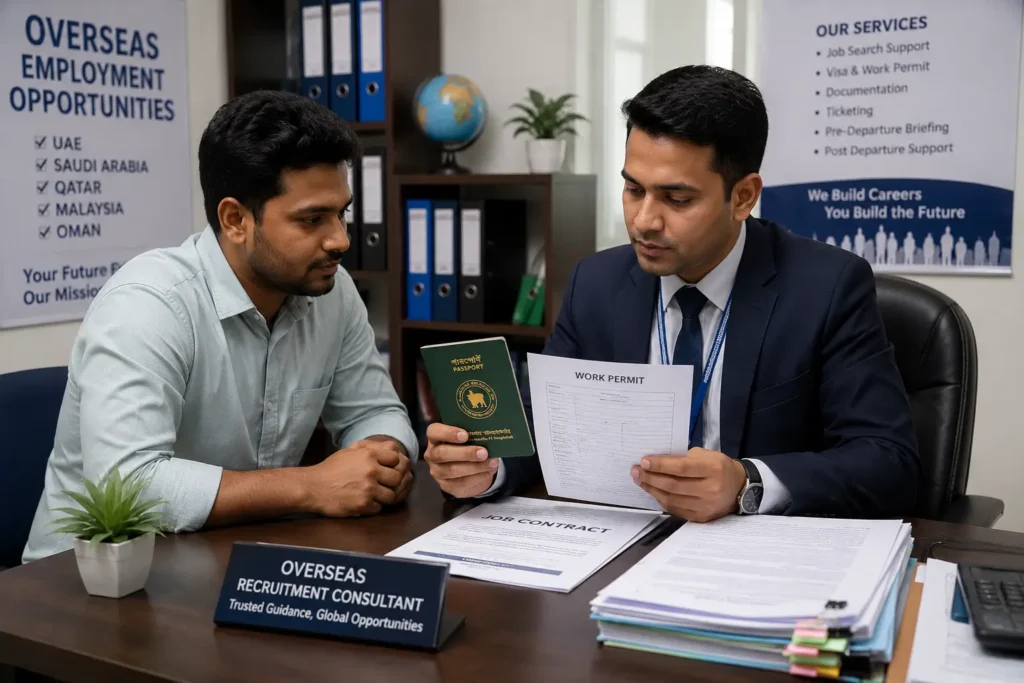
From shortlisting candidates to arranging interviews, handling work permits, and managing pre-departure formalities, an established recruitment partner removes a lot of the guesswork that comes with hiring internationally for the first time.
What This Means If You’re Hiring
If you’re an employer weighing where to source your next batch of workers, the case for skilled manpower from Bangladesh comes down to a simple combination: trained hands, fair pricing, growing English ability, and a recruitment system that’s had years to mature. None of these things alone would be enough — together, they explain why so many employers keep this country at the top of their sourcing list.
Getting it right still depends on working with the right partner. A good recruitment agency will not just send you resumes — it will verify skills, run proper background checks, and support the worker (and you) through the entire visa and travel process.
If your business is exploring overseas hiring, or you’re a licensed recruiter looking to expand your network of trusted sources, Walk On HR Consultancy can help you connect with genuinely skilled, job-ready candidates from Bangladesh, backed by a process built on years of hands-on recruitment experience.
FAQs
Q1: Why do employers prefer hiring skilled manpower from Bangladesh over other countries?
Employers often choose Bangladesh because the workers are well trained in practical, hands-on skills, the cost is competitive, and the recruitment process is well organized through licensed agencies. On top of that, many workers stay committed to their contracts, which reduces turnover problems for the employer.
Q2: Are Bangladeshi workers only suitable for unskilled labor jobs?
No, that’s a common misunderstanding. Bangladesh sends workers across many skill levels, including machinists, electricians, nurses, IT professionals, and even mid-level supervisors. The country has technical institutes producing genuinely skilled talent, not just general labor.
Q3: How does the recruitment process work when hiring from Bangladesh?
It usually starts with sharing your job requirements with a licensed recruitment agency, which then shortlists and verifies candidates. After interviews and selection, the agency handles work permits, medical checks, and pre-departure formalities before the worker travels to the job location.
Q4: Is it safe and legal to hire manpower from Bangladesh?
Yes, as long as you work through a properly licensed recruitment agency. Bangladesh’s Bureau of Manpower, Employment and Training (BMET) regulates overseas recruitment, which means there’s an official system in place to check documents and protect both the worker and the employer.
Q5: How good is the English communication level of Bangladeshi workers?
It varies by role, but it has improved a lot in recent years. Workers in nursing, IT, hospitality, and supervisory positions generally communicate well in English, since language training is now part of most technical and vocational programs in Bangladesh.


